
For many manufacturers, logistics providers, and distributors, adhesive tape is a routine purchase—yet one that quietly supports daily operations at scale. As companies begin outlining their procurement strategies for 2026, more buyers are recognizing a simple reality: early planning reduces risk, stabilizes supply, and creates room for better commercial terms.
Rather than reacting to shortages, price fluctuations, or production bottlenecks, forward-looking procurement teams are now engaging suppliers earlier than ever.
1. Why 2026 procurement planning starts now
Global supply chains have entered a phase of relative stability, but not predictability. Factors such as raw material costs, energy prices, labor availability, and regional logistics constraints continue to influence production planning.
For adhesive tape buyers, this means:
- Lead times may vary by quarter
- Availability can differ by specification
- Prices are increasingly linked to long-term material trends rather than spot demand
Starting procurement discussions early allows buyers to plan volumes, align specifications, and avoid last-minute compromises.
2. Adhesive tape as a strategic consumable
In high-volume environments—warehousing, export packaging, fulfillment centers, manufacturing lines—adhesive tape performance directly affects efficiency.
Poorly selected tape can lead to:
- Increased carton failure during transit
- Higher rework or repacking rates
- Slower manual or automated sealing
- Customer complaints and claims
Conversely, consistent industrial-grade tape supports process stability and cost control, especially when usage is continuous throughout the year.
3. OPP tape remains the backbone of industrial packaging
BOPP (OPP) adhesive tape continues to be the most widely used option for B2B packaging due to its versatility and cost efficiency.
Common applications include:
- Carton sealing for domestic and international shipping
- Automated packaging lines
- Long-term warehouse storage
- Export-oriented logistics operations
Its success lies in the balance between:
- Adhesion strength
- Film durability
- Controlled unwind
- Compatibility with machinery
For 2026 planning, many buyers are standardizing OPP tape specifications to reduce SKU complexity and simplify supplier coordination.
4. Risks of last-minute sourcing
Procurement decisions made under time pressure often prioritize availability over suitability. This can result in:
- Inconsistent quality between batches
- Limited ability to customize thickness or adhesive formulation
- Reduced leverage in commercial negotiations
- Higher total operational cost
Early sourcing discussions allow buyers to test samples, verify performance, and confirm technical parameters before committing to volume.
5. Early commitment brings operational advantages
While pricing is only one factor, early engagement with manufacturers often unlocks broader benefits, such as:
- Priority production scheduling
- Greater specification flexibility
- More stable supply agreements
- Preferential commercial terms for planned volumes
Without needing to define exact discount levels, it is widely understood in B2B procurement that predictability benefits both sides—buyers gain stability, and suppliers can plan production more efficiently.
6. Manufacturer partnerships vs. transactional buying
As procurement cycles lengthen, more companies are shifting from transactional purchasing to supplier partnerships.
Working directly with adhesive tape manufacturers enables:
- Clear quality standards
- Transparent technical communication
- Faster issue resolution
- Long-term consistency across shipments
For businesses planning 2026 usage now, this approach reduces uncertainty and simplifies internal forecasting.
7. What procurement teams should evaluate now
Before finalizing next year’s purchasing plan, buyers should consider:
- Annual consumption volume and seasonal peaks
- Required tape specifications and tolerances
- Automation compatibility
- Supplier production capacity and quality controls
- Communication efficiency and responsiveness
Addressing these factors early prevents disruptions when demand increases.
8. Looking ahead: stable supply starts with early decisions
Adhesive tape may be a small component of overall procurement spend, but its impact on operations is significant. Companies that plan ahead for 2026 position themselves to:
- Maintain consistent packaging quality
- Reduce operational friction
- Improve cost predictability
- Strengthen supplier relationships
In an environment where reliability matters more than short-term savings, early planning is not just an advantage—it is a safeguard.
Products
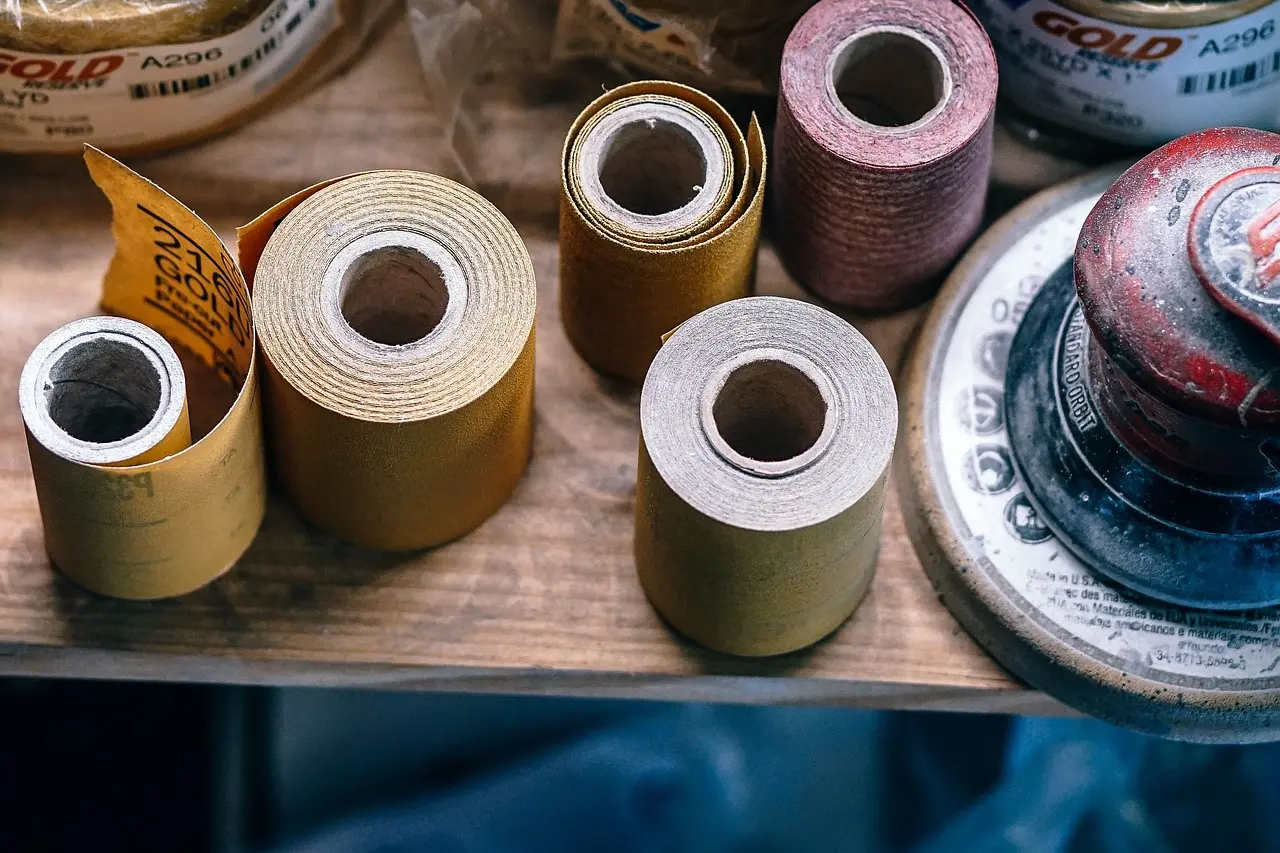
Rich variety of adhesive tape