
1. Why Adhesive Tape Is a “Hidden Critical Component” in Industrial Supply Chains
In many industries—packaging, automotive, electronics, construction, and logistics—adhesive tape is often treated as a low-cost, low-risk consumable. In reality, it is a critical interface material: it connects surfaces, protects products, ensures sealing integrity, and directly affects downstream efficiency.
A failed tape does not simply “peel off.”
It can lead to:
- Product damage during transit
- Assembly line downtime
- Warranty claims and brand reputation loss
- Increased labor costs due to rework
For B2B buyers, adhesive tape should be evaluated not as a commodity, but as an engineered material system.
2. The Three-Core Structure of Adhesive Tape (Not All Tapes Are Equal)
From an engineering standpoint, all adhesive tapes consist of three layers:
2.1 Backing Material (Carrier)
The backing provides mechanical strength, flexibility, and dimensional stability.
Common industrial backings include:
- BOPP (Biaxially Oriented Polypropylene): packaging, carton sealing
- PVC: electrical insulation, color coding
- PET: high tensile strength, precision applications
- Cloth / Fabric: hand tearability, reinforcement
- Foam: vibration damping, gap filling
Each backing reacts differently to temperature, humidity, and stress. Substituting materials purely based on price often causes long-term performance issues.
2.2 Adhesive System
This is the most critical—and most misunderstood—part.
Main adhesive types:
- Acrylic (water-based / solvent-based): aging resistance, UV stability
- Hot Melt Rubber: high initial tack, fast bonding
- Natural Rubber: strong adhesion, but weaker aging resistance
- Silicone: extreme temperature resistance, specialty use
Many low-cost tapes fail not because of poor backing, but because of unstable adhesive formulations.
2.3 Release Coating (if applicable)
Often ignored, release coatings affect:
- Unwinding smoothness
- Roll stability
- Automated application compatibility
Poor release control causes telescoping, edge lifting, and machine jams.
3. Manufacturing Process: Where Quality Is Actually Decided
3.1 Coating Method Matters More Than Brand Claims
There are major differences between:
- Glue spreading (low-end, inconsistent)
- Comma coating
- Slot-die coating (high precision, industrial-grade)
Precision coating ensures:
- Uniform adhesive thickness
- Stable peel force
- Predictable performance across batches
Many “same spec” tapes differ drastically because of coating line capability.
3.2 Drying & Curing: The Silent Quality Killer
Insufficient drying leads to:
- Adhesive migration
- Reduced holding power
- Strong odor and VOC complaints
Professional manufacturers invest heavily in multi-zone drying ovens, while small factories often cut corners here.
4. Industry-Specific Requirements (Why One Tape Can’t Serve All)
4.1 Packaging & Logistics
Key metrics:
- Initial tack
- Shear resistance
- Low noise unwinding
Failure risk: cartons opening during long-distance shipping.
4.2 Automotive & Electronics
Key metrics:
- Heat resistance
- Aging stability
- Clean removal (no residue)
Failure risk: component contamination or electrical malfunction.
4.3 Construction & HVAC
Key metrics:
- Moisture resistance
- Long-term adhesion
- Surface compatibility
Failure risk: insulation failure and safety compliance issues.
5. Common Procurement Risks in the Adhesive Tape Industry
5.1 “Spec Sheet Illusion”
Two suppliers may show identical data, but:
- Test conditions differ
- Aging tests are skipped
- Data is copied, not measured
5.2 Batch Inconsistency
Inadequate raw material control leads to:
- Performance drift
- Unstable peel force
- Customer complaints months later
5.3 Short-Term Cost Optimization
Cheaper tape often increases:
- Labor time
- Re-taping frequency
- Hidden logistics losses
6. How Professional B2B Buyers Evaluate Tape Suppliers
A mature procurement strategy looks beyond price.
Key evaluation factors:
- In-house coating capability
- Raw material traceability
- Quality control frequency
- Application-specific testing
- Long-term supply stability
Strong suppliers act as solution partners, not just tape sellers.
7. Why Chinese Manufacturers Play a Growing Role in Global Supply
Over the past decade, leading Chinese adhesive tape manufacturers have:
- Upgraded coating technology
- Standardized QC systems
- Expanded export compliance
- Improved formulation stability
This has shifted China from “low-cost supplier” to reliable industrial partner, especially for large-volume B2B procurement.
8. Long-Term Procurement Strategy: Think in 12–24 Months, Not Per Order
Advanced buyers increasingly:
- Lock annual or semi-annual supply contracts
- Test tapes under real application conditions
- Secure production capacity in advance
- Reduce risk during peak seasons
Early planning often results in:
- More stable pricing
- Priority production
- Customized specifications
9. Final Thoughts: Adhesive Tape as a Strategic Material
Industrial adhesive tape is no longer a simple accessory—it is a functional material that directly affects efficiency, cost, and brand reliability.
For companies operating at scale, the real competitive edge lies in:
- Understanding material science
- Controlling application risk
- Choosing the right manufacturing partner
When selected correctly, adhesive tape becomes invisible.
When selected poorly, it becomes expensive.
Products
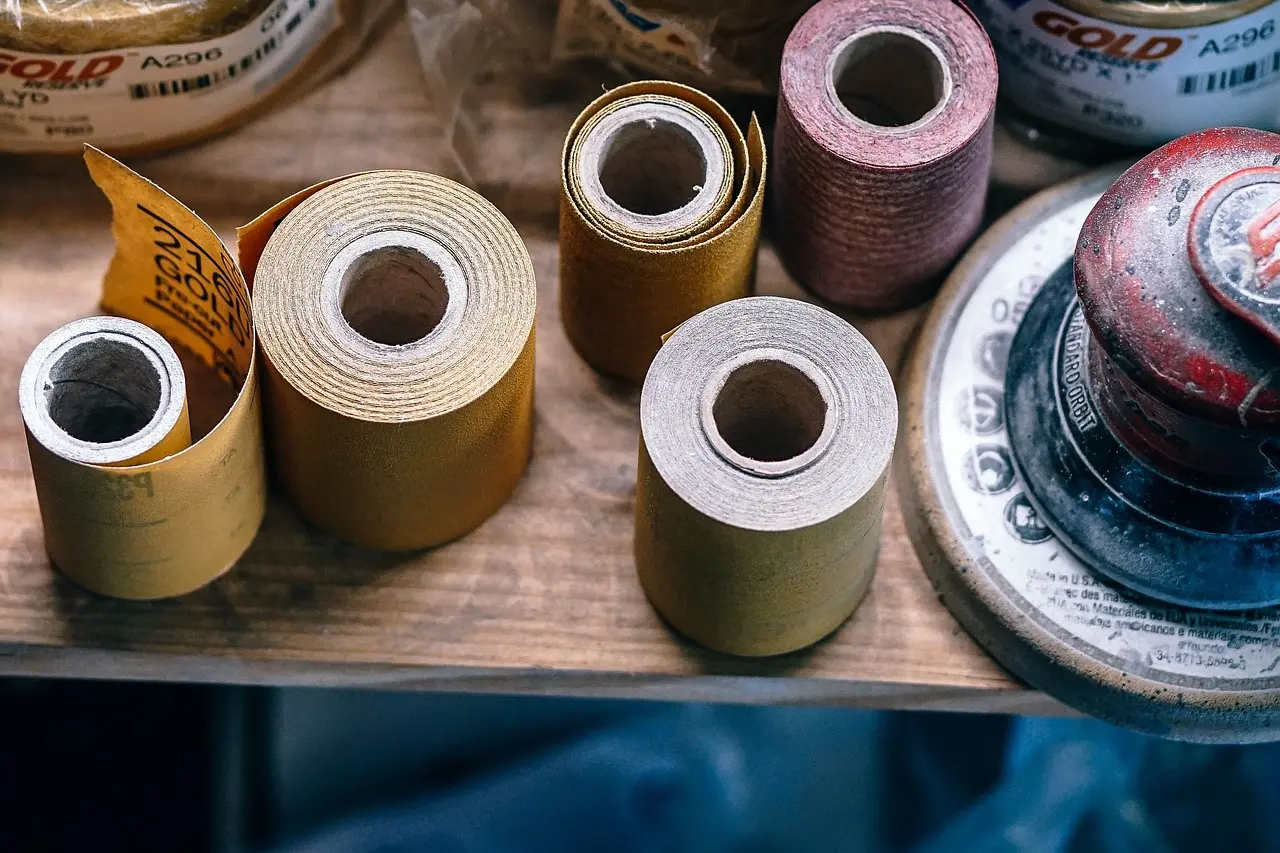
Rich variety of adhesive tape