
Introduction: Why the Right Tape Matters
Choosing the right adhesive tape might seem like a small decision — until it’s not. Whether you’re fixing wires in your home, working on automotive systems, or sealing ducts in a factory, the wrong tape can lead to failure, hazards, or even electrical fires. Many users confuse electrical tape with duct tape, assuming they are interchangeable. In reality, these two products serve distinct functions, with different materials, performance standards, and safety implications.
What is Electrical Tape?
Electrical tape is a pressure-sensitive, insulating tape made from vinyl, PVC, or rubber. It’s designed specifically for insulating electrical wires and other materials that conduct electricity. Key characteristics include:
- Non-conductive backing to prevent short circuits
- Heat and flame resistance
- Stretchability for tight wrapping
- Available in multiple colors for wire phase identification
Typical applications:
- Wire splicing and bundling
- Automotive harness protection
- Electrical panel repairs
- Temporary circuit isolation
What is Duct Tape?
Duct tape, on the other hand, is a heavy-duty cloth or scrim-reinforced polyethylene tape known for its strong adhesion and water resistance. While it’s extremely versatile, duct tape is not designed to handle electric current or withstand high temperatures for extended periods.
Key characteristics:
- Strong adhesion to uneven surfaces
- Weather-resistant backing
- Ideal for temporary repairs, sealing, and packaging
Common uses:
- HVAC duct sealing
- Industrial packaging
- General-purpose repairs
- Temporary waterproof fixes
Side-by-Side Comparison Table
| Feature | Electrical Tape | Duct Tape |
|---|---|---|
| Backing Material | PVC, vinyl, or rubber | Cloth-reinforced polyethylene |
| Adhesive Type | Rubber-based (non-conductive) | Rubber or synthetic resin (may be conductive) |
| Heat Resistance | Up to 80–105°C (176–221°F) | Up to 60–70°C (140–158°F) |
| Electrical Insulation | ✅ Yes | ❌ No |
| Flame Retardant | ✅ Yes | ❌ Usually not |
| Water Resistance | Moderate | High |
| UV Resistance | Varies (some versions UV-rated) | Poor unless treated |
| Common Applications | Wiring, electrical panels, automotive | Duct sealing, general repairs, packaging |
When to Use Electrical Tape
Use electrical tape when safety and insulation are top priorities. It is ideal for:
- Splicing electrical wires safely
- Protecting exposed conductors from moisture or dust
- Labeling wires by phase (using color-coded tape)
- Automotive wiring harnesses where heat and vibration are present
Using duct tape in these scenarios may cause overheating, electrical shock, or damage to equipment.
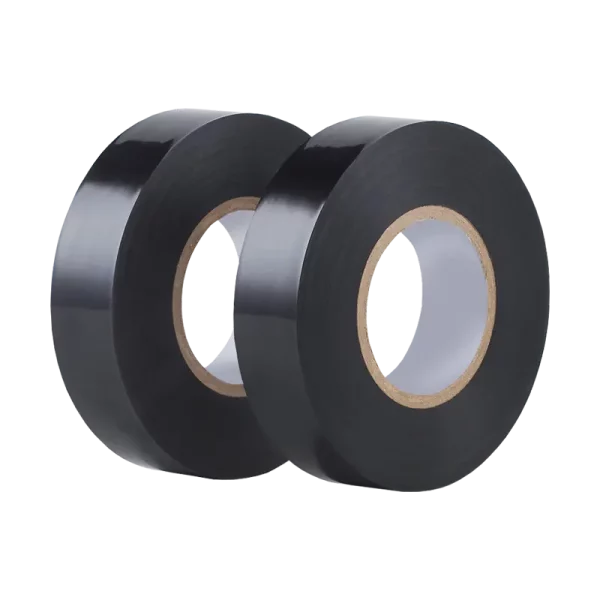
Electrical Tape
Adhesive Rubber
Adhesive Side Single Sided
Adhesive Type Hot Melt
Design Printing No printing
Material PVC
Feature Heat-Resistant
Use Bag Sealing
When to Use Duct Tape
Use duct tape for mechanical or surface-level tasks where insulation is not required. It’s perfect for:
- Temporarily sealing ducts or vents
- Reinforcing packages
- Quick repairs on camping gear, pipes, or surfaces
- Bundling non-conductive items
However, it should never be used on live wires or electrical components.
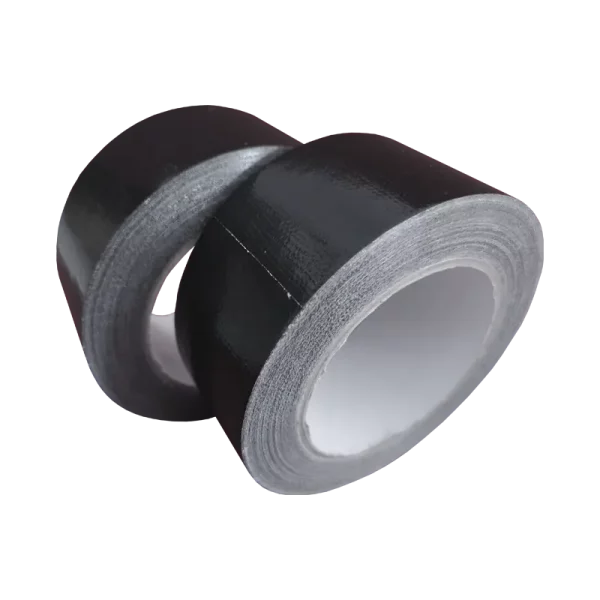
Duct tape
TX General Purpose Cloth Duct Tape
TX’s General Purpose Cloth Duct Tape is a versatile, heavy-duty tape perfect for a variety of applications, from duct tape wallets to general repairs. Made from durable polyethylene cloth, this tape offers exceptional adhesion, waterproofing, and resistance to humidity and wear. Available in a range of colors, including duct tape transparent options, it’s ideal for both visible and concealed applications. Whether you’re handling heavy-duty projects or facing duct tape strain in high-stress uses, TX duct tape delivers reliable, long-lasting performance.
- Adhesive: Rubber Hot Melt
- Material: Polyethylene (PTFE)
- Use: Carton sealing, waterproofing, and more
- Features: Waterproof, durable, easy to tear by hand
Real-World Example: Tape Failure Due to Misuse
In a residential case study, a homeowner used duct tape to wrap an exposed power cord in their garage. After a few months, the adhesive degraded under summer heat, and the tape peeled back. This exposed the live conductor and caused a minor electrical fire, damaging nearby equipment.
In contrast, replacing the same section with flame-retardant electrical tape could have prevented this incident, as it would have maintained adhesion and insulation even under fluctuating temperatures.
FAQs: Frequently Asked Questions
Q1: Can I use duct tape instead of electrical tape on wires?
A: No. Duct tape lacks the necessary dielectric properties and can pose serious fire and shock hazards.
Q2: Is electrical tape waterproof?
A: Most are water-resistant, but not waterproof. For outdoor use, look for UV- and weather-rated electrical tapes.
Q3: Can electrical tape catch fire?
A: Quality electrical tapes are flame-retardant. However, low-grade versions or incorrect usage can still pose a risk.
Q4: What’s the temperature rating of duct tape vs electrical tape?
A: Electrical tape: 80–105°C. Duct tape: typically 60–70°C. Choose based on your application’s heat exposure.
Q5: Are there high-temperature versions of these tapes?
A: Yes. Some specialty electrical tapes are rated for up to 130°C or more. Duct tape has high-temp industrial versions too, but still not suitable for insulation.
Product Recommendations
Looking for reliable, industrial-grade tapes?
✅ [YourBrand™ PVC Electrical Insulation Tape]
- Flame retardant
- UL certified
- Available in 10+ colors
- RoHS compliant
✅ [YourBrand™ Heavy-Duty Duct Tape]
- High tack adhesive
- Weather-resistant PE backing
- Available in silver, black, and white
- Suitable for industrial and packaging use
Conclusion: Choose the Right Tape for the Right Job
Don’t fall into the trap of thinking all tapes are created equal. While duct tape and electrical tape may look alike in your toolbox, their functions are vastly different. One prioritizes mechanical strength, while the other safeguards against electrical hazards.
Using the correct tape can improve safety, prolong the life of your equipment, and avoid costly repairs or replacements.
🔧 Need Help Choosing?
Contact [[email protected]] today for professional guidance, custom specifications, or bulk pricing on certified tapes for industrial, electrical, and automotive use.
📦 Limited-time offer: Get off your first bulk order of electrical or duct tape when you mention this article. [Inquire Now]
Other page :https://sztxtape.com/blog/what-is-opp-tape-uses-types-and-comparisons-explained/
Products
Rich variety of adhesive tape